More pharmacy tech students join mission to Guatemala
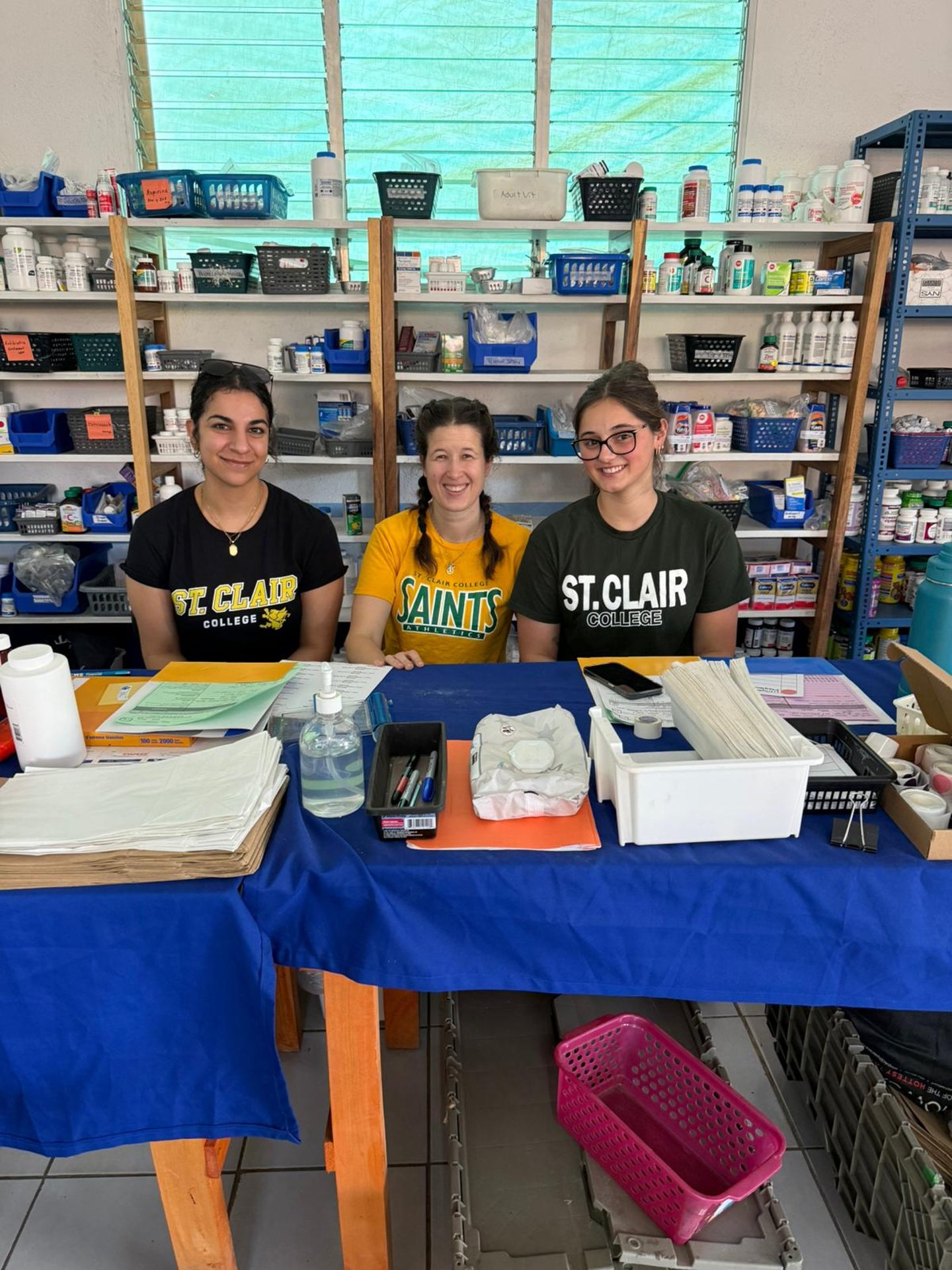
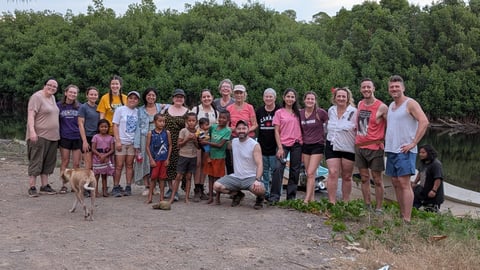
Based on the success of last year’s Guatemala Hope mission, two more pharmacy technician students from St. Clair College, Windsor, Ont.—along with their faculty member—made a 10-day trip to help treat patients in the remote village of El Triunfo.
This year, the contingent was expanded to include three paramedic students and a faculty member, as well as two dental hygiene students and a faculty member.
Second-year pharmacy technician student Miranda Rawlins says that “participating in a mission trip is something I have always aspired to do. When the opportunity came to participate in a medical mission trip, I saw it as the perfect chance to combine two things I am deeply passionate about: pharmacy and helping individuals in need.”
Helping people in need is also what inspired second-year pharmacy technician student Alessandra Maltese to join the mission, as well as the reason she says she chose pharmacy as her career path.
The students performed many tasks during the mission, including dosing and dispensing medication, demonstrating medical devices to patients, counselling patients on how to take medications and administering injections. “I even got to administer an antibiotic injection to a child,” says Maltese.
Together, they cared for nearly 1,000 patients during the clinic, says faculty member Dr. Kaitlyn Harnden, who accompanied the students in what was her second trip in this role. “With an average of three to four prescriptions per patient—some receiving even more—our team processed an estimated 3,000–4,000 prescriptions in less than one week,” she notes. “It was a fast-paced, high-volume environment, and the students rose to the challenge with remarkable professionalism and skill.”
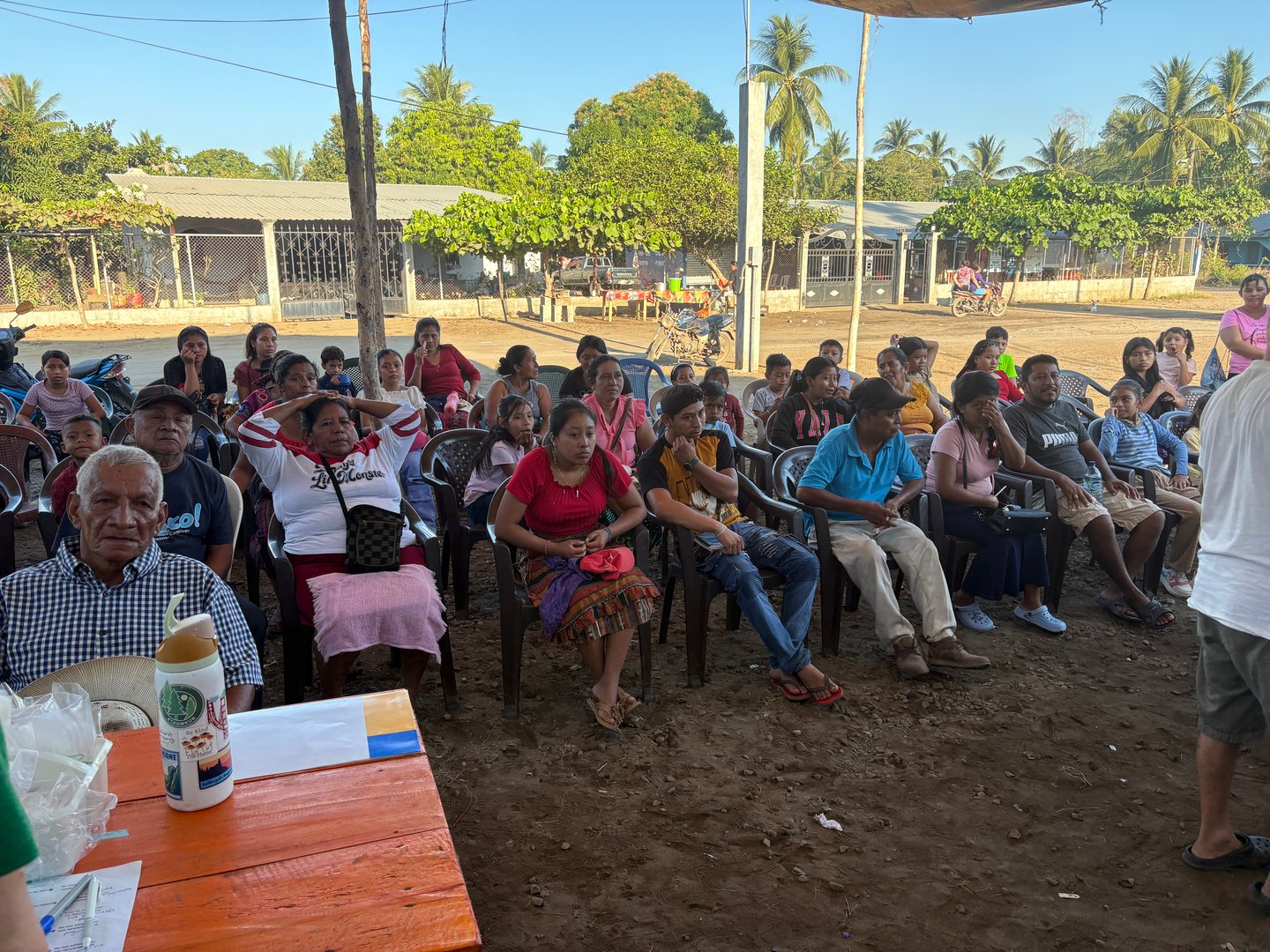
The addition of paramedic and dental hygiene programs strengthened the mission significantly, adds Harnden. “The multidisciplinary environment enriched the learning experience and enhanced patient care delivery. Students witnessed firsthand how each discipline contributes uniquely to comprehensive healthcare. During slower moments, students from other programs rotated through the pharmacy. It was inspiring to see pharmacy students step into mentorship roles—advocating for their profession, explaining processes, and demonstrating their expertise.”
The shared experience created a lifelong bond among the students, who not only travelled together, but served together. “That kind of collaboration and shared purpose builds healthcare professionals who understand teamwork at its core,” says Harnden.
Both students stressed the necessity of adaptability and critical thinking in fulfilling their role, as days often unfolded in ways completely different from what they had planned. “We had all the basics to cover the most common/anticipated disease states, but as we approached the end of the trip and began to run out of supplies, we had to resort to unconventional means to treat patients to the best of our ability,” says Maltese. “This really forced me to use critical thinking, with guidance from my professor, to continue to treat our patients.”
Harnden agreed that “the intensity of the setting really pushed them to think critically and creatively. They contributed to therapeutic recommendations and problem-solved in real time when medication supplies became limited, identifying appropriate class alternatives while maintaining safe practice standards.”
The benefits of the mission extended well beyond healthcare. “It was also about being present for others and giving them someone to look up to and helping them see that there are people who genuinely care about them and want to help,” says Rawlins.
The students connected with many of the villagers outside of clinic hours as well. Rawlins participated in a women’s empowerment class with some of the younger girls in the village, while Maltese assisted Louise Elliott, director of operations for Guatemala Hope, in organizing hundreds of reusable feminine products to distribute to the girls so menses would not prevent them from attending school. And there was still time for some raucous games of tag and hide-and-seek with the children who eagerly awaited them outside the clinic.
“While we were there to provide healthcare, the mission was also about human connection,” says Harnden. “When not filling prescriptions, I would see students using translation apps to communicate, offering hugs, playing with children, and engaging with families. These small but powerful gestures—smiles, laughter, compassion—transcended language barriers. Care became universal. The relationships formed during that week were impactful for both the students and the community.”
Both students left Guatemala with newfound confidence in and dedication to their chosen profession. Most rewarding of all were the relationships they formed with the people of Triunfo. “To see the appreciation and love that the villagers demonstrated towards every member of our team was incredible,” says Maltese.
For Rawlins, the mission “allowed me to gain experience and learn lessons that extended far beyond pharmacy. Through this experience, I developed a deeper understanding of compassion and empathy, and how essential these qualities are when caring for patients and working in healthcare as a whole.”