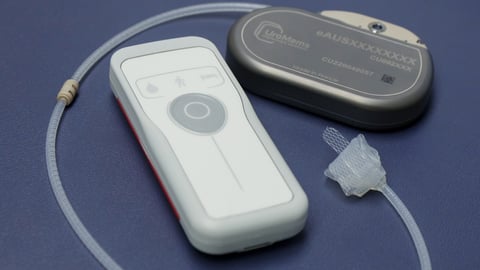
A surgical team at Duke Health in Durham, North Carolina, has performed the first U.S. implantation of an investigational remote-controlled artificial urinary sphincter.
Dr. Karl Deisseroth, Peter Hegemann and Georg Nagel carried out research that opened a new field with the wonky name optogenetics, combining light with genes to switch on and off neurons in living brains.
Loblaw says its new AI chatbot offers more reliable, Canada-specific health information, but experts say users should understand the privacy trade-offs before linking their health data.
‘Perhaps my yes is a hopeful rather than an accurate one,’ said Dr. Victor van Berkel of UofL Physicians in Louisville, Kentucky, describing how more research is needed even if the test is rolled out.
The Health Ministry says traditional custom splints can take up to two hours to make, while a 3D-printed splint takes about 30 minutes of a clinician’s time.
This blog is not an attempt to have the Medical Post readership solve my car buying woes. Rather, I want to discuss the current combustible state of medical practice to its electrifying future.