
Rediscovering common sense in Canadian medicine
We often use the phrase “common sense” as if it were universal—but it isn’t. One view sees it as beliefs shared by a society; what’s “common” depends on culture, upbringing and environment. Another defines it as sound, prudent judgment based on a clear perception of facts—a form that can be shared across borders. I believe this second kind of common sense connects physicians and offers Canada an opportunity for inclusion and learning.
Take something simple: presbycusis, age-related hearing loss. Most of us know it as a neurodegenerative process (worn-out auditory nerves) and stiff middle-ear bones may contribute to it. Yet not everyone knows that a light touch on the shoulder can help seniors understand you better. Touch draws attention and improves sound conduction, cutting through background noise (cocktail party effect). In Latin cultures, doctors often do this naturally; in Canada, where personal space is highly valued, touch carries a different meaning. Neither is wrong, used with permission, it restores both attention and trust. Cultural experience, applied thoughtfully, can enhance care.
Read: Things just got harder for some IMGs looking for a residency spot in Ontario
When I moved to Canada, I realized that what I once considered “common sense” in clinical care wasn’t always common here. I also learned that Canadian experience is rightly essential to patient care—but it shouldn’t erase the value of what internationally trained physicians bring. Combining both approaches—asking permission while maintaining human warmth—builds trust and improves outcomes. Differences in practice are not obstacles; they are opportunities.
I left my practice in Mexico for a better quality of life and now work as a health unit worker with Vancouver Coastal Health. It’s rewarding, and I’m grateful for it—but I know I have more to offer. The path to Canadian licensure is long and demanding. Balancing full-time work, family and exam preparation feels like asking a retired Olympian to return to competition. I am committed to regaining my license, yet current pathways could be improved to better integrate internationally trained physicians into the healthcare system.
That also means understanding our own paths. To become an internal medicine physician in Mexico, I completed seven years of medical school, including a year of internship and another year of social service in the Lacandon Jungle, where I learned from indigenous communities descended from the Mayas, including Tzeltal (one of the seven dialects of the region). Back in Mexico City, I passed the board exam and ranked among the top 100 of 30,000 applicants for residency at one of Mexico City’s most prestigious teaching hospitals, training under internationally recognized physicians. After four years of residency and seven years of practice, I chose to pursue a new life in Canada. My experience, knowledge and clinical judgment have not disappeared—they remain part of the care I can provide.
The associate physician class in B.C. is currently the most direct pathway for me to return to medical practice and contribute as a physician. It is designed for experienced specialists like me who have been out of clinical work for an extended period. I recognize that I’m not immediately ready to step back into full independent practice, but I also don’t require repeating an entire residency. This pathway acknowledges that reality by offering a one-year retraining option for physicians who lack recent “currency of practice.”
Over the past several years, I’ve been working as a health care aide—an experience I’ve genuinely valued—while completing the requirements for Canadian citizenship, which I obtained this year. I followed the advice I was given: secure immigration first, then pursue re-entry into medicine.
However, the associate physician program is currently facing significant barriers. Since the College of Physicians and Surgeons of B.C. updated this class in July 2025, no health authority in the province has offered any positions. When I reached out directly, I either received no response or was told that health authorities may not feel incentivized to invest in retraining internationally trained physicians.
This is a missed opportunity. There are experienced specialists ready to serve—physicians like me who could support underserved areas and commit to a return of service that, in my case, would feel more than worthwhile if it meant being able to contribute again in a meaningful way.
Family responsibilities and life circumstances inevitably shape the sacrifices we can make. Even so, despite these realities, the desire to serve and participate fully in patient care remains strong.
Medicine, as academic Edmund Pellegrino wrote, is “the most humane of sciences, the most scientific of arts and the most artistic of humanities.” Science must be learned and renewed; humanity must be restored through communication; and art—the artistry of listening, observing and connecting—is what risks being lost. Experience and cultural insight help restore it. The art of medicine includes the simple gestures that build trust, the nuanced judgment honed by years of practice and the wisdom gained across borders.
I fear that this artistry—our combined experience and knowledge—is underutilized in Canada. Yet it can strengthen care if applied with prudence and cultural sensitivity. A simple touch on a patient’s shoulder, an understanding of context, or the careful judgment formed through decades of practice is not just common sense—it is shared humanity in action. Internationally trained physicians can contribute these insights while respecting Canadian norms, building a richer, more connected healthcare system.
Currently, I continue to work in healthcare in Canada, but with a narrower scope. I am eager to provide more high-level care to the community I have learned to love, and to become an “artist” of medicine once again. My journey illustrates both the challenges and the opportunities that exist when experience, cultural insight and the Canadian system meet. By bridging these perspectives, we can reconnect physicians with patients, restore human connection, and enrich care across our healthcare system.
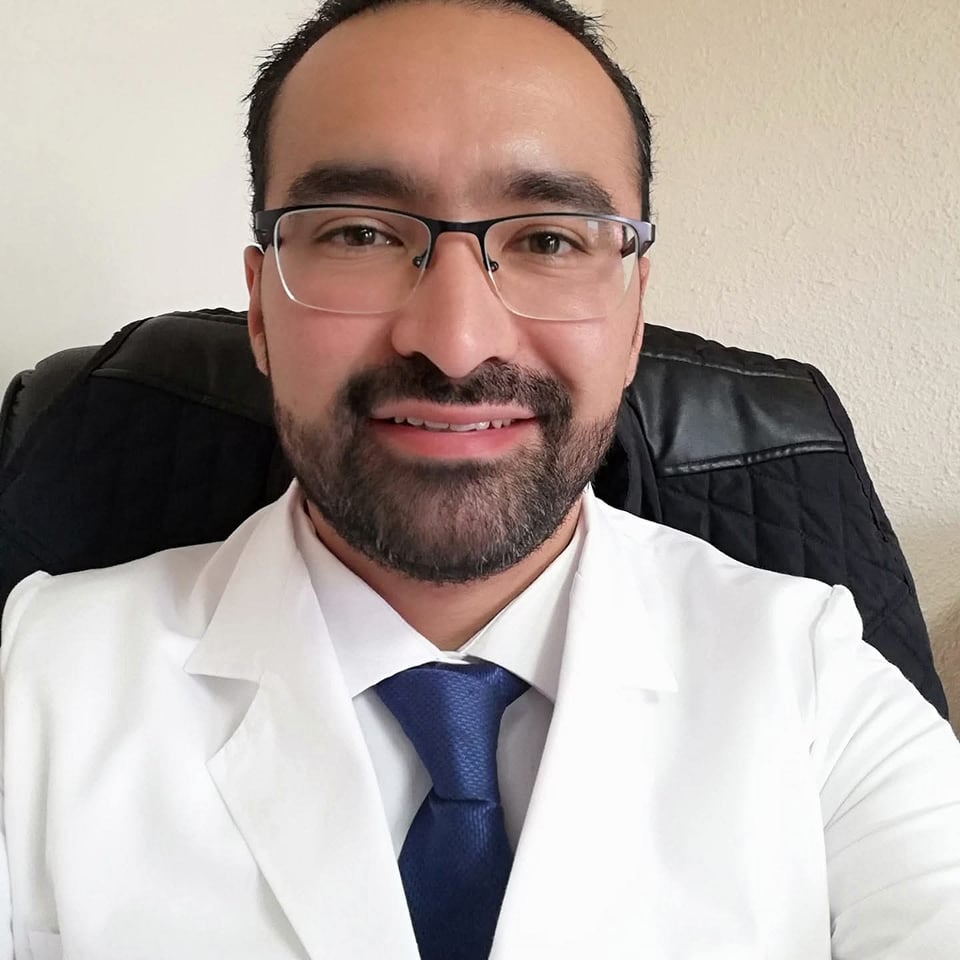
Dr. Jose Alejandro Bastarrachea Jimenez is an internationally trained internal medicine physician in Vancouver with over a decade of clinical experience.